How High Crawl Space Humidity Fuels Cockroach and Pest Activity in Atlanta Homes
Discover how Atlanta's humid climate turns residential crawl spaces into breeding grounds for cockroaches, crickets, and other pests, and learn how moisture management protects your home.
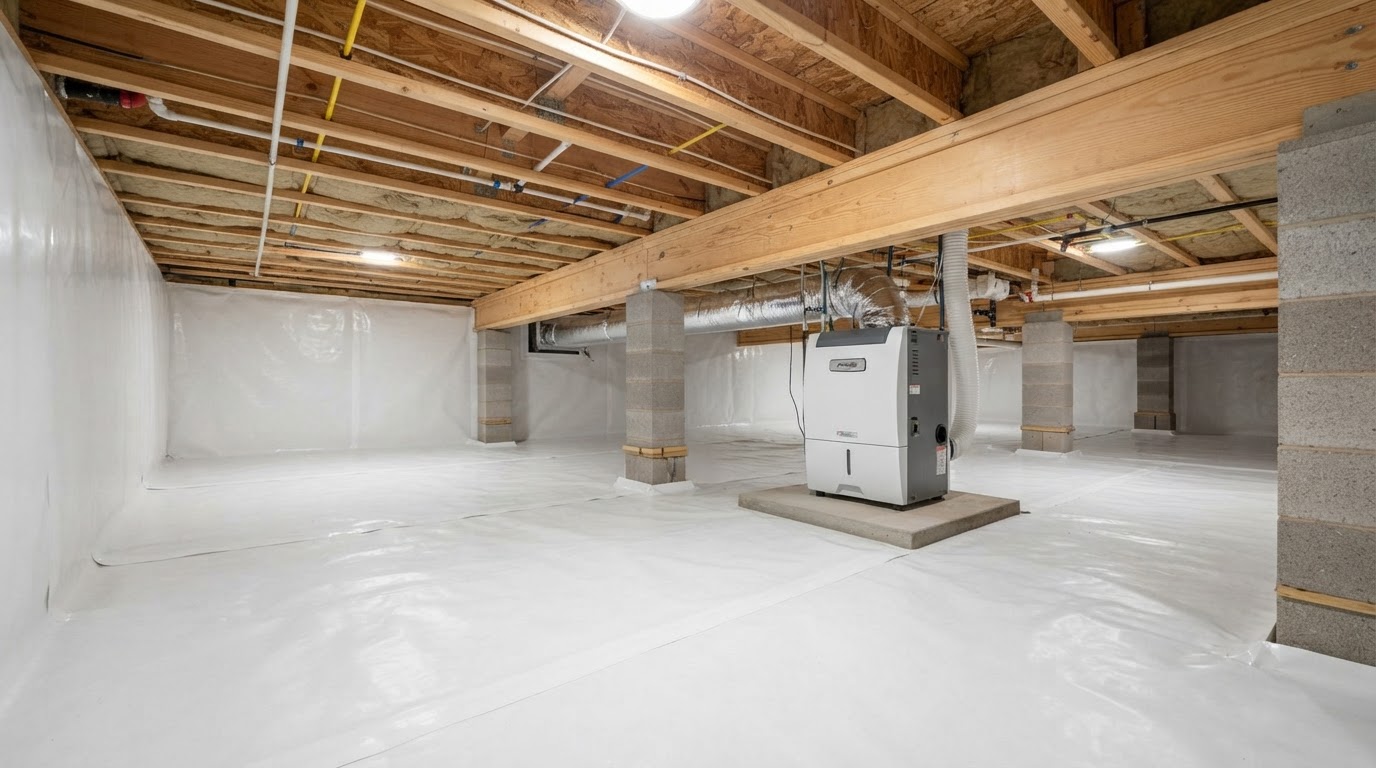
The Hidden Environment Beneath Atlanta Homes
In the greater Atlanta area, residential architecture frequently incorporates crawl space foundations. While crawl spaces provide convenient access to plumbing, electrical conduits, and HVAC ductwork, they also create a semi-enclosed environment directly exposed to the earth. When you combine Georgia’s notorious summer humidity, frequent rainfall, and dense red clay soil, a crawl space can rapidly become a reservoir for trapped moisture. Left unchecked, this dark, humid zone serves as an ideal sanctuary and breeding ground for invasive insect populations, particularly cockroaches.
Understanding the direct link between below-grade moisture and interior pest pressure is critical for homeowners looking to maintain a healthy, comfortable living environment. Pest management is not simply about treating the bugs you see on your kitchen counter; it requires addressing the environmental factors beneath your flooring that allow these pests to thrive in the first place.
The Relationship Between Humidity and Crawl Space Ecology
Atlanta experiences a humid subtropical climate characterized by long, hot summers and mild winters. During peak warm months, outdoor relative humidity frequently hovers above 70 to 80 percent. When warm, moisture-laden outdoor air enters a crawl space through traditional foundation vents, it encounters cooler ground surfaces, masonry foundation walls, and cold air conditioning ducts.
As this warm air cools, its relative humidity spikes. Air loses its capacity to hold water vapor as temperatures drop, leading to condensation. Water droplets form on framing joists, subflooring, fiberglass insulation, and duct jackets. Additionally, the clay-heavy soils common throughout Fulton, DeKalb, and surrounding counties hold groundwater stubbornly, continually evaporating moisture upward into the crawl space cavity. This persistent moisture creates a subterranean microclimate where organic materials soften, mold develops, and humidity-dependent pests flourish.
Why Cockroaches Thrive in Humid Crawl Spaces
Cockroaches are among the most resilient organisms on earth, but they have one critical physiological vulnerability: desiccation. Cockroaches lose body water rapidly through their cuticles and respiratory systems, meaning they cannot survive long in dry, low-humidity environments. High-humidity crawl spaces resolve this vulnerability entirely, providing continuous hydration and shelter from temperature extremes.
Smokybrown Cockroaches
Perhaps the most prevalent crawl space invader in North Georgia is the smokybrown cockroach (Periplaneta fuliginosa). Recognizable by their dark mahogany to black coloring and strong flight capabilities, these large roaches naturally dwell in tree hollows, decaying leaf mulch, and pine straw. When outdoor temperatures climb or seasonal dry spells occur, smokybrown roaches seek out dark, moisture-rich refuges. An unsealed, humid crawl space mimics the floor of a damp forest canopy, giving them everything they need to establish large colonies right below your living room.
American Cockroaches
Often referred to colloquially as "waterbugs" or "palmetto bugs," American cockroaches (Periplaneta americana) are another frequent resident of damp substructures. These large, reddish-brown insects thrive in warm, damp conditions and are notorious for congregating near foundation walls, floor drains, and sweating plumbing pipes. Because they require abundant moisture to reproduce successfully, a crawl space with resting condensation allows their egg cases (oothecae) to develop without the risk of drying out.
Oriental Cockroaches
Although somewhat less common than smokybrowns in Georgia, Oriental cockroaches (Blatta orientalis) are heavily dependent on wet, cool environments. Known as true waterbugs due to their affinity for damp locations, they often establish populations in cool, wet crawl spaces, especially around foundation vents and perimeter drain tiles.
Other Pests Fueled by Crawl Space Moisture
Cockroaches are rarely the only pests exploiting elevated humidity beneath your home. A damp crawl space inevitably fosters an entire ecosystem of nuisance and structural pests:
- Camel Crickets: Also known as cave crickets or "sprickets," these wingless, jumping insects gravitate to cool, damp, dark environments. While they do not bite humans, their erratic jumping behavior makes them an unsettling presence, and they readily feed on fabric, cardboard, and dead insects when they move upstairs.
- Silverfish: Requiring humidity levels above 75 percent to reproduce, silverfish feed on carbohydrates found in insulation backing, cardboard boxes, and subfloor adhesives.
- Centipedes and Spiders: Predatory arthropods follow prey. An influx of roaches and crickets provides a steady food source for house centipedes, wolf spiders, and cobweb spiders, which establish active hunting grounds throughout the floor joists.
- Subterranean Termites: While termites require soil contact, high moisture levels in framing timbers accelerate their ability to feed and build mud tubes, softening wood and creating structural decay alongside fungal rot.
- Rodents: Mice and rats require water sources and sheltered nesting locations. Damp insulation provides an easy material for burrowing, and the abundance of insects offers an immediate protein source.
The Stack Effect: How Crawl Space Pests Enter Your Living Area
Homeowners often assume that pests living in the crawl space will simply stay down there. Unfortunately, building science demonstrates the opposite through a phenomenon known as the "stack effect."
As warm air rises naturally through the upper levels and attic of a home, it creates negative pressure in the lower levels. This vacuum pulls air upward from the crawl space through subfloor penetrations, including plumbing gaps beneath bathtubs and sinks, electrical wire runs, HVAC registers, and baseboard gaps. Studies show that a substantial portion of the air breathed on the first floor originates in the crawl space or basement.
Pests follow these exact air currents and pathways. As populations expand beneath the floorboards, cockroaches and crickets follow temperature gradients and small structural gaps upward into kitchens, bathrooms, laundry rooms, and interior wall voids. What started as an environmental moisture imbalance underneath the foundation becomes an active infestation inside the home.
Practical Steps to Manage Humidity and Mitigate Pests
Addressing crawl space pests requires a dual approach: eliminating the active infestation and altering the physical conditions that attracted them. Implementing the following measures helps protect your foundation from excess moisture and pest pressure:
- Ground Moisture Barriers: Installing a durable, continuous polyethylene vapor barrier across 100 percent of the exposed soil floor prevents groundwater evaporation from saturating the crawl space air.
- Exterior Drainage Improvements: Ensure that gutters, downspouts, and landscape grading direct rainwater away from the foundation. Downspouts should discharge several feet away from the perimeter to prevent water from pooling against foundation walls.
- Plumbing and Ductwork Inspections: Periodically check for leaking pipe joints, dripping condensation lines, or uninsulated air conditioning ducts that "sweat" during the humid Atlanta summer.
- Sealing Penetrations: Seal all utility pass-throughs between the crawl space and the living space using expanding foam, copper mesh, or silicone caulk to block pest migration routes.
- Targeted Crawl Space Pest Control: Professional exterior perimeter treatments and targeted substructure applications intercept roaches, crickets, and wood-destroying organisms before they gain entry into living areas.
Protecting Your Atlanta Home from the Ground Up
A pest problem inside your home is frequently a symptom of an unchecked microclimate down below. High humidity turns ordinary crawl spaces into breeding grounds for smokybrown cockroaches, camel crickets, and destructive organisms that degrade indoor air quality and disrupt your household peace of mind. By managing foundation moisture and maintaining a consistent residential pest management routine, you can break the pest cycle permanently.
If you suspect crawl space humidity is driving cockroach activity or insect problems in your Atlanta home, contact Kestrel Forge Pest Control today to schedule a thorough inspection and personalized treatment plan.
Need help from Kestrel Forge Pest Control?
Contact our team to discuss your service needs in Atlanta and surrounding service areas.